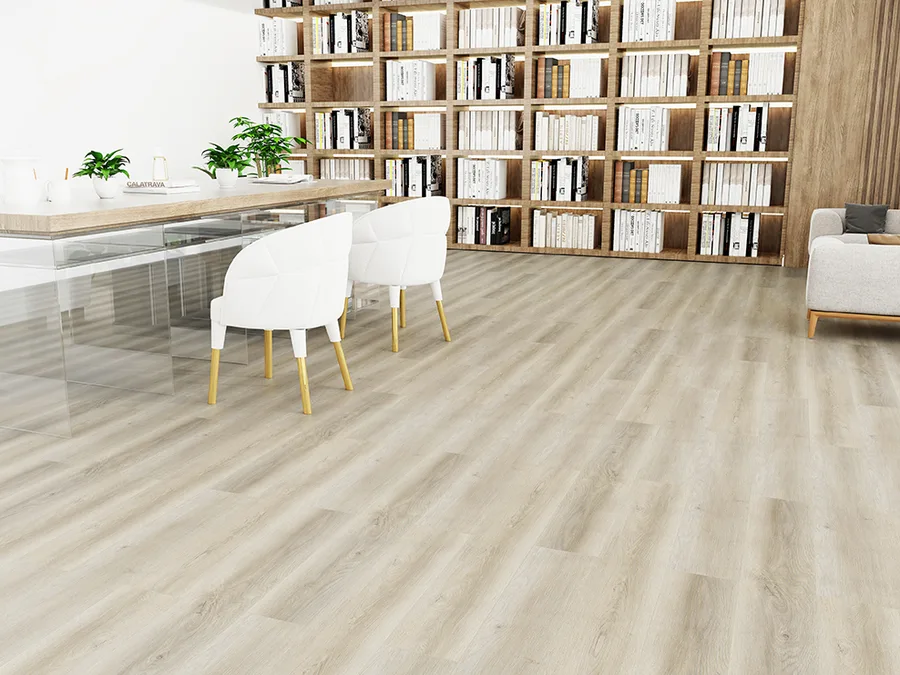
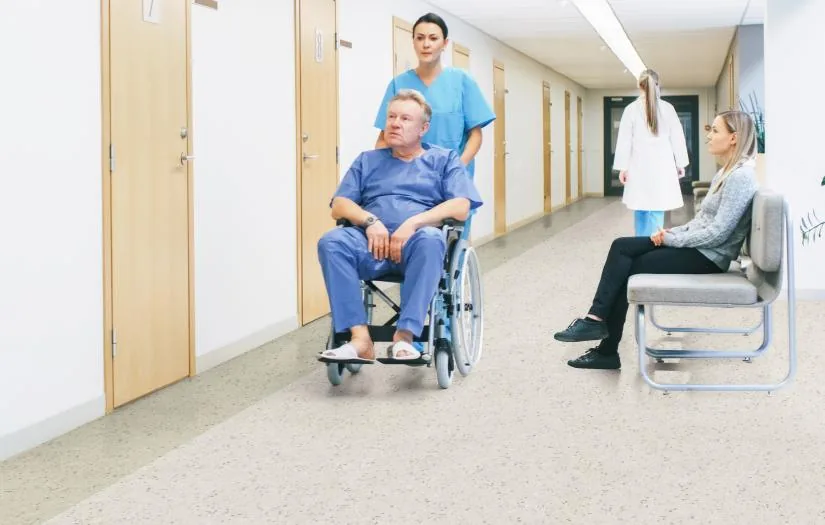
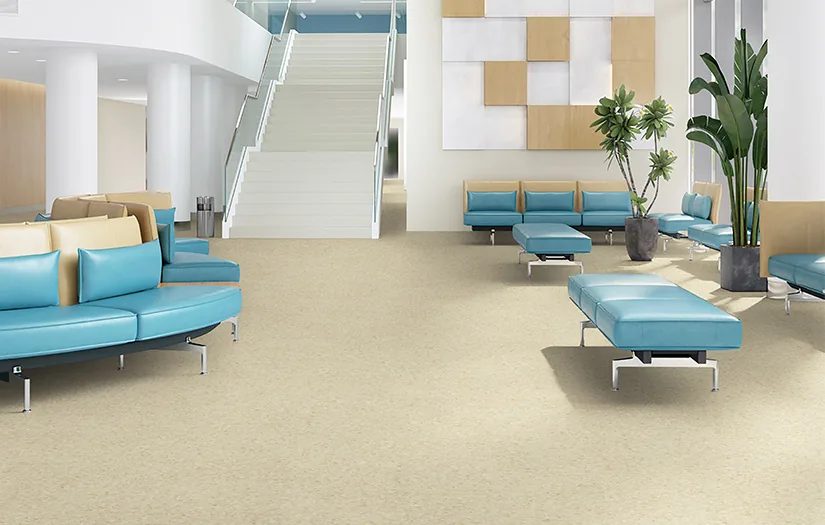
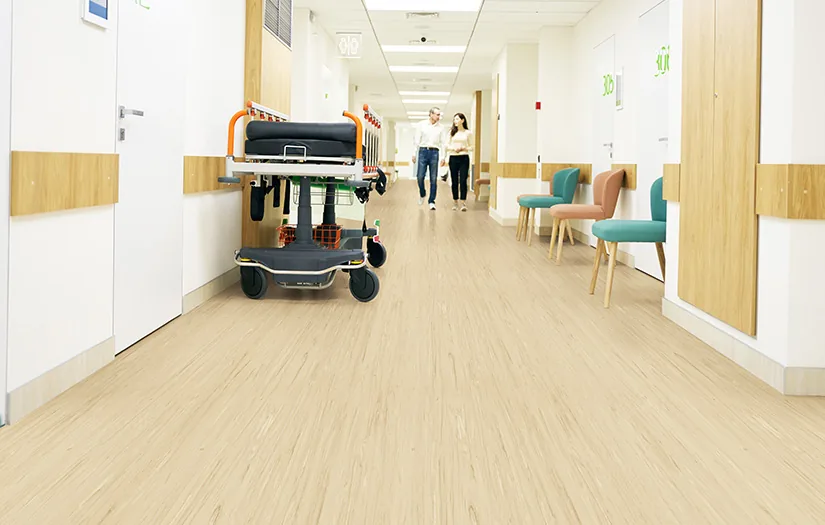
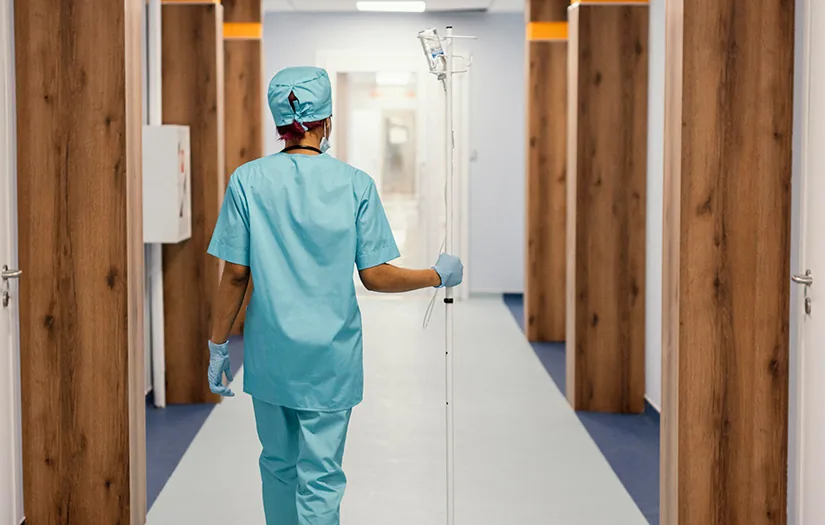
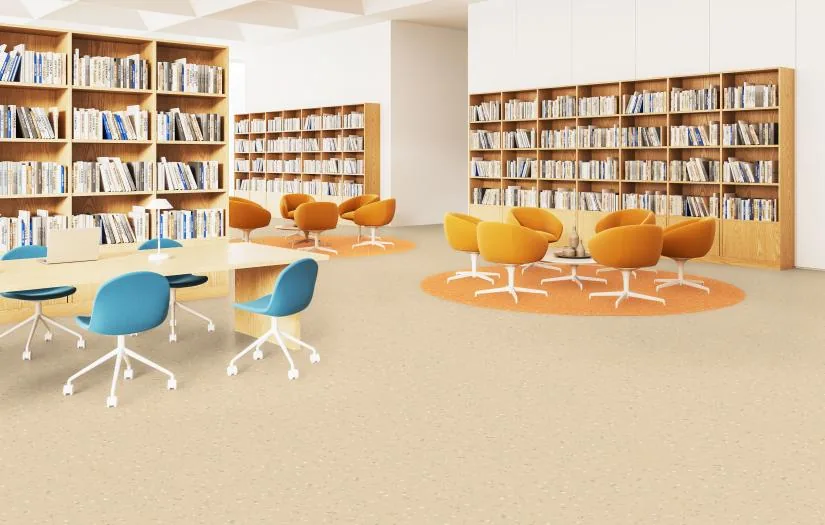
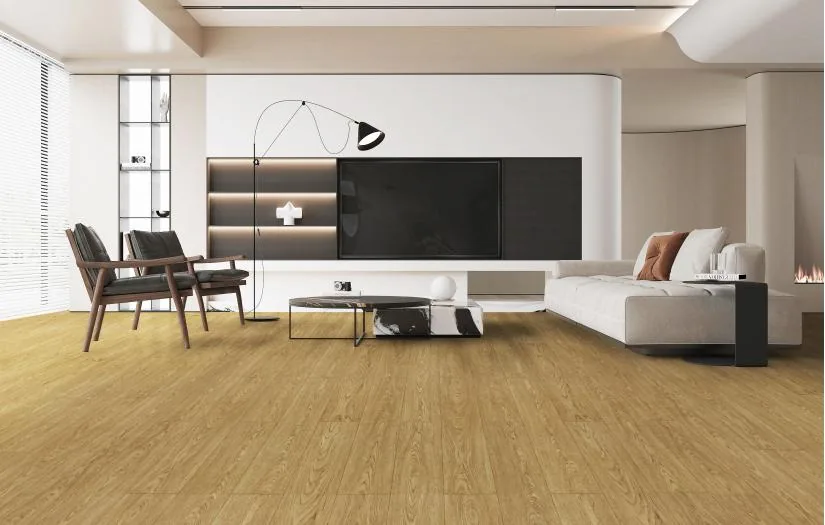
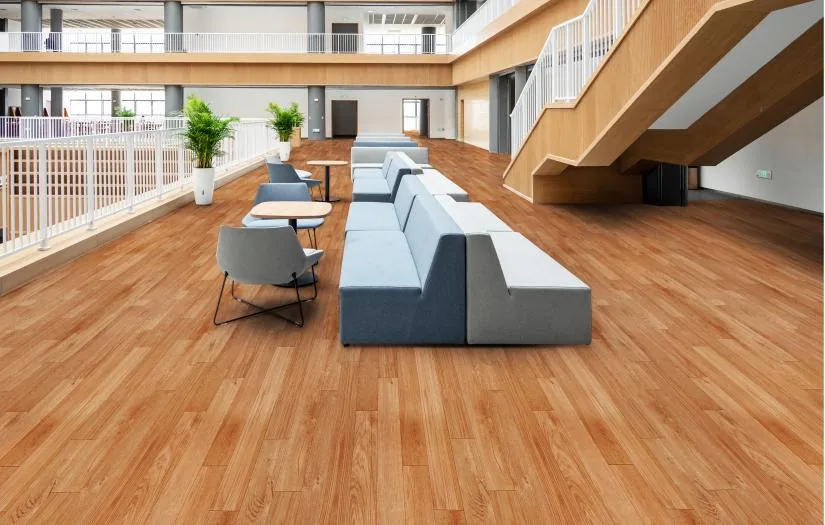
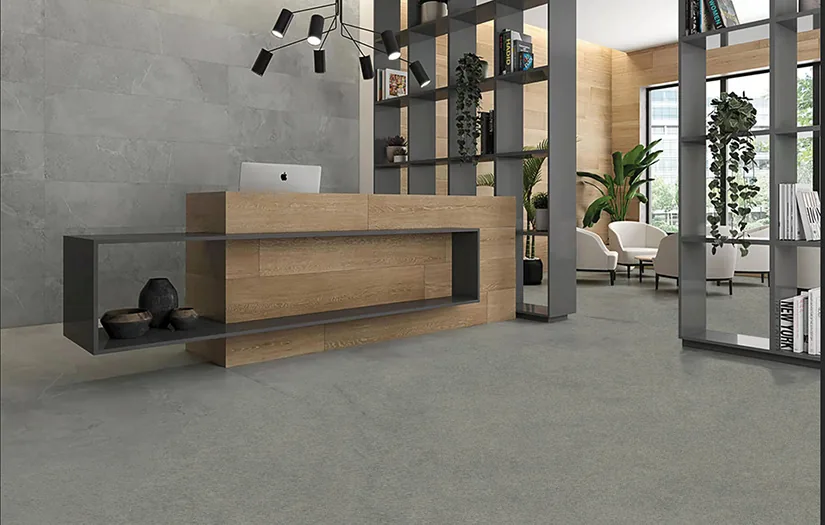
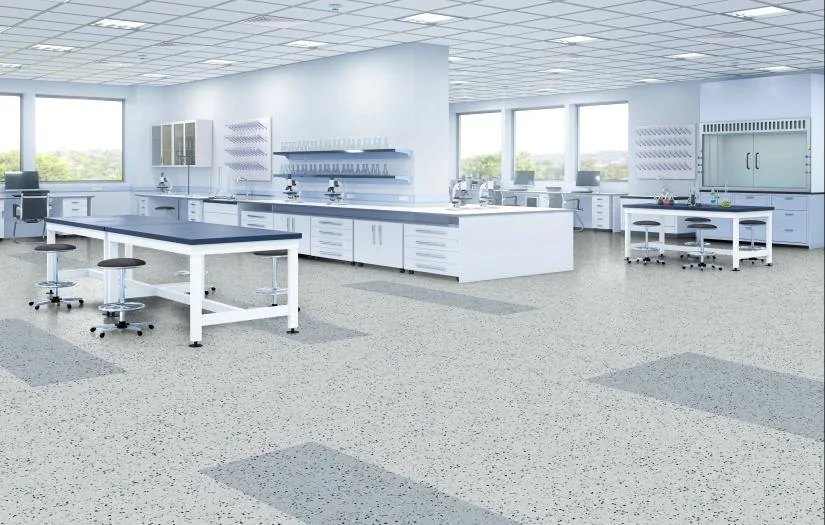
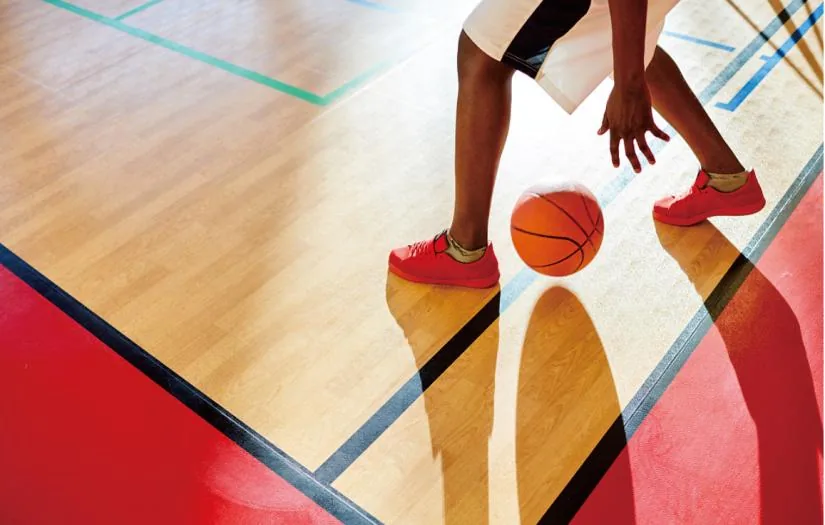
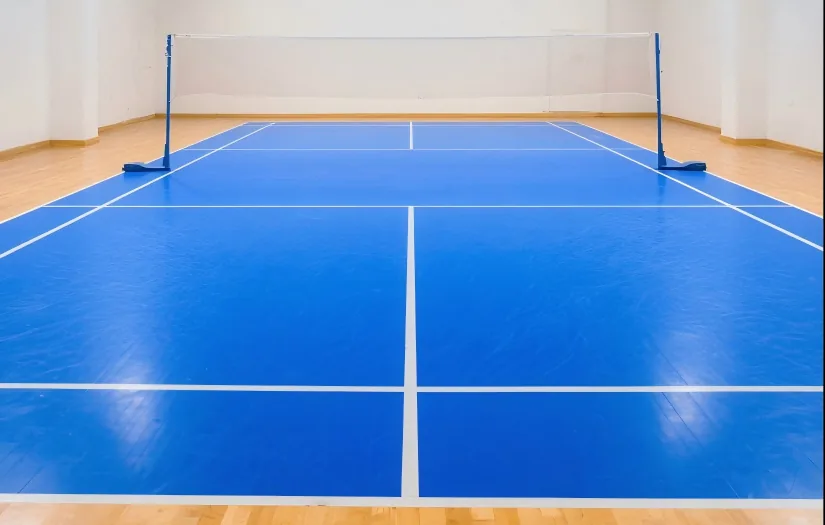
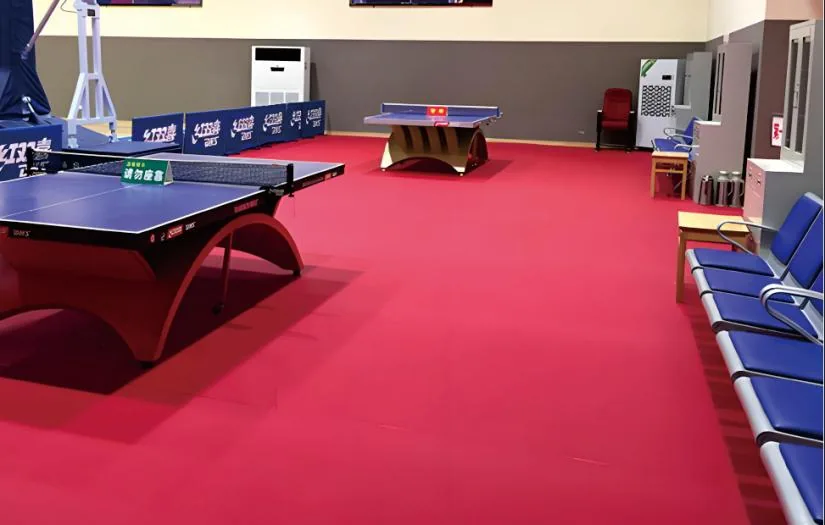
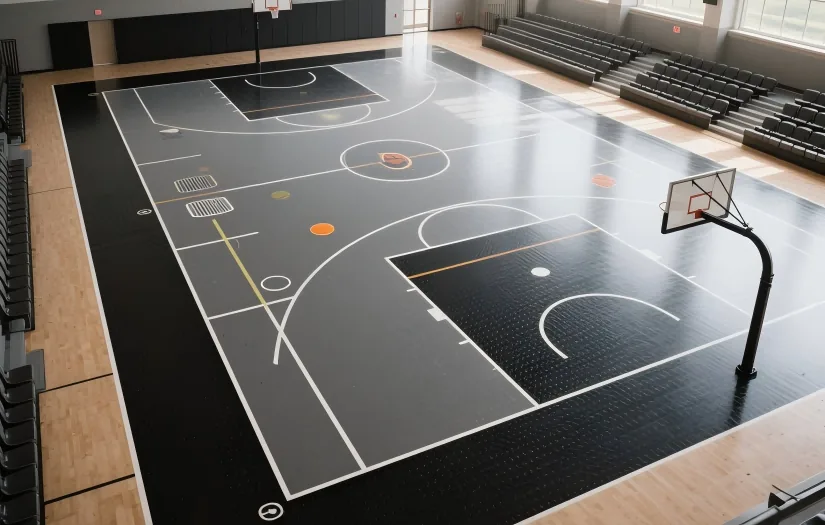
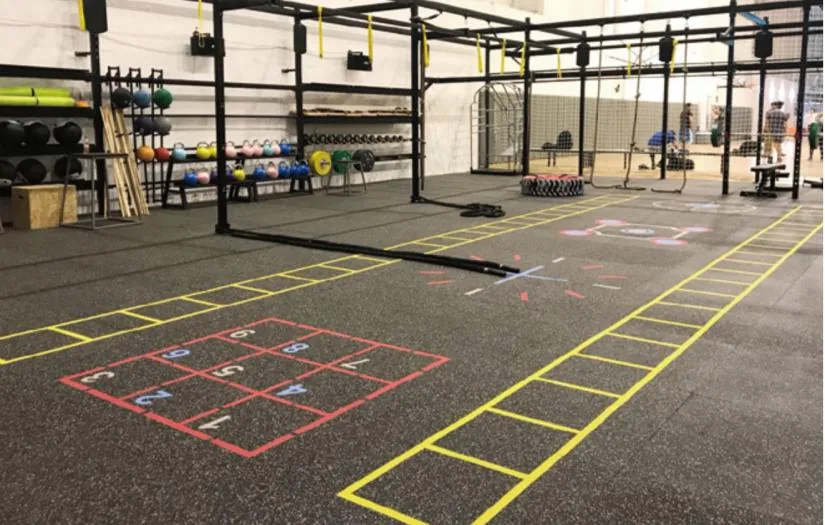
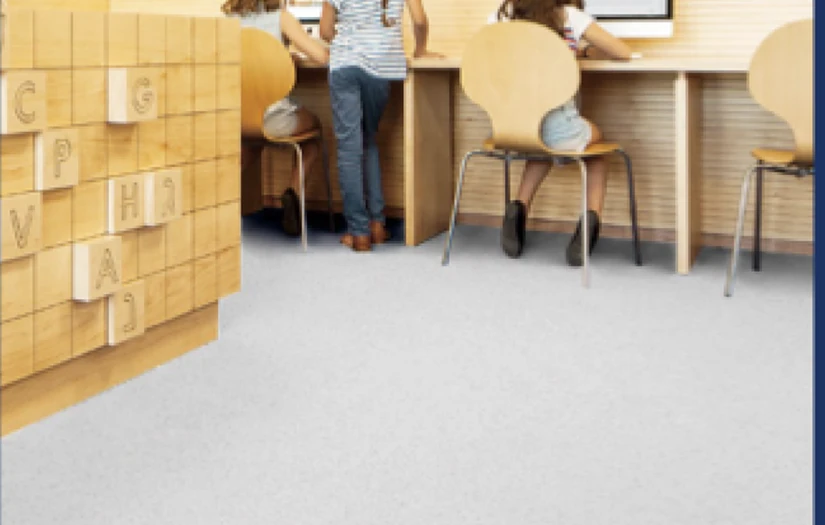
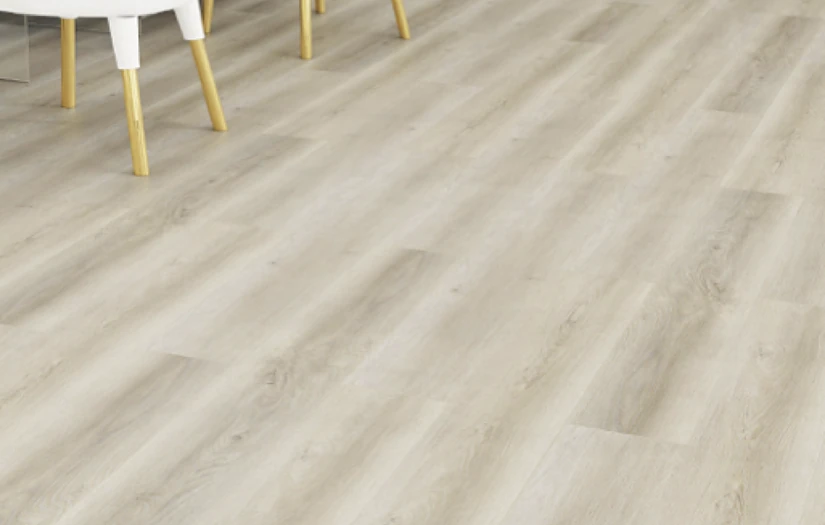
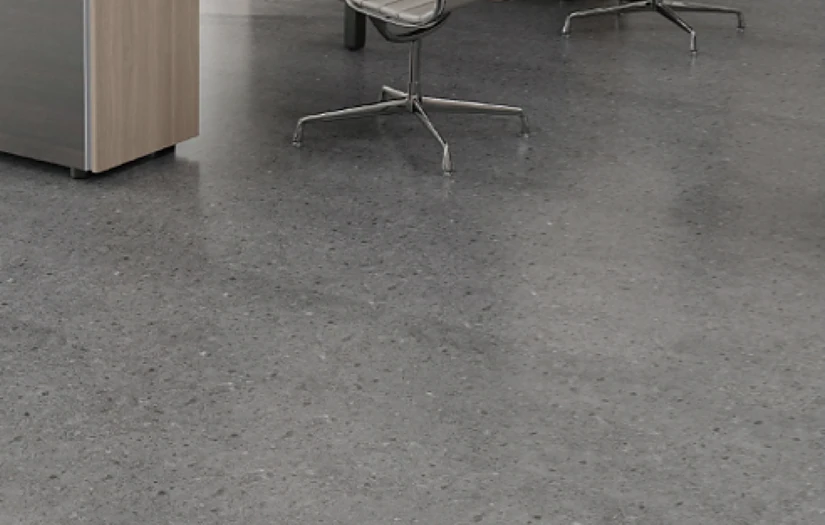
A school is a stress test in miniature: several hundred people arriving and leaving twice a day, chairs dragged rather than lifted, water bottles knocked over, football boots in the corridor, and cleaning done in a two-hour window with whatever machine is available. Corridors take the heaviest traffic and the most scuffing, canteens combine grease, slip risk and dropped trays, and laboratories add chemical spills that ordinary vinyl will stain permanently.
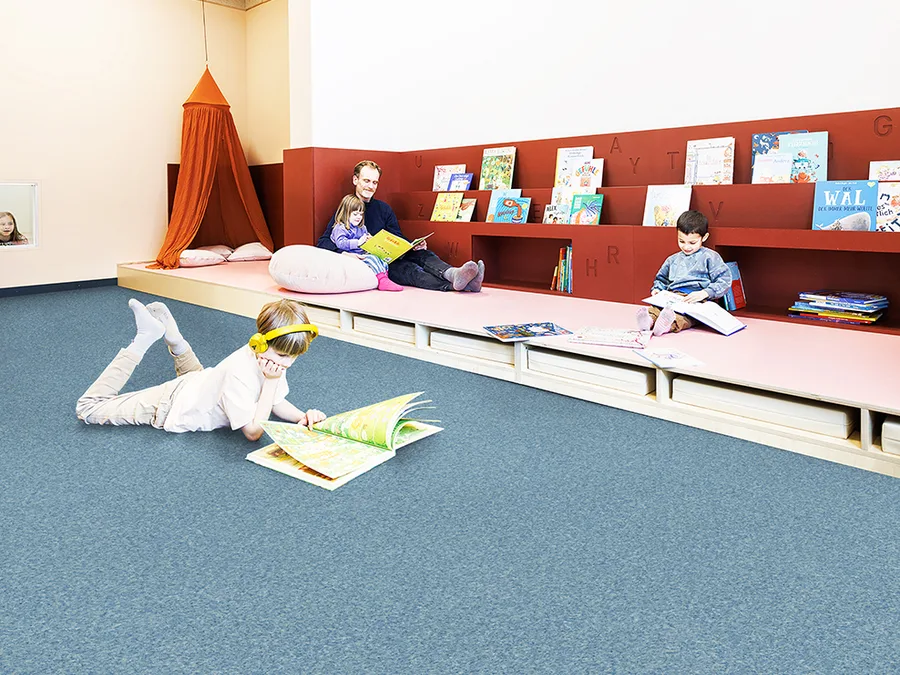
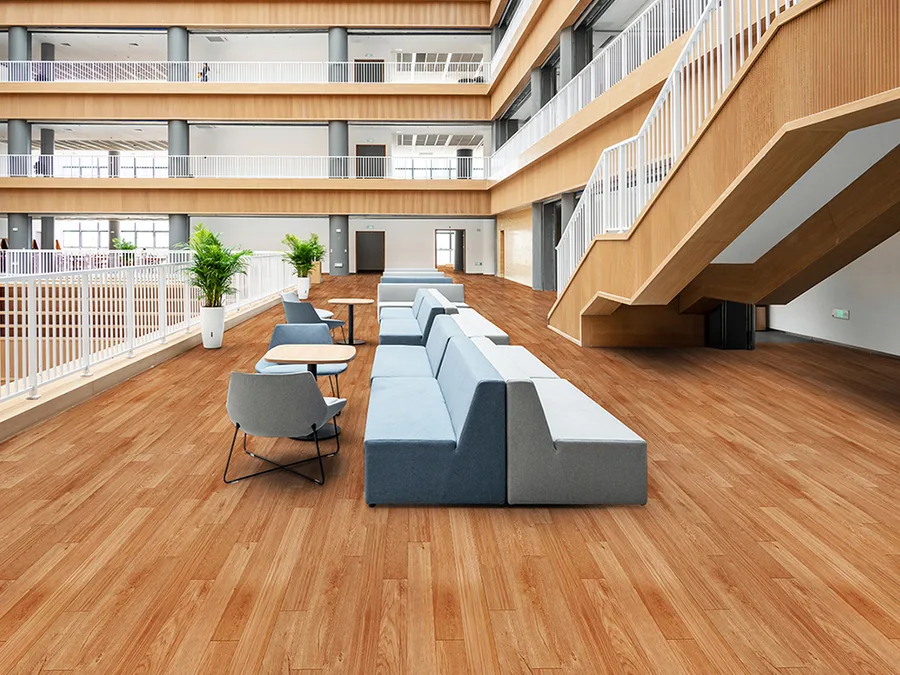
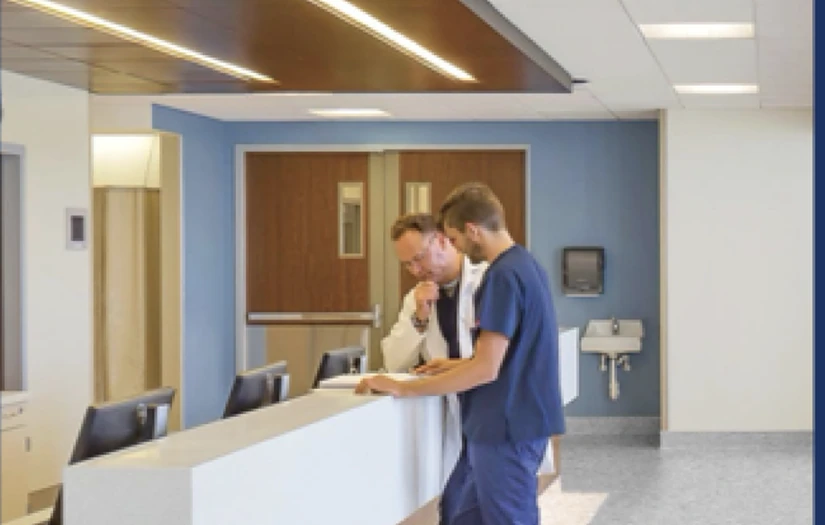
The practical answer is one product family, several grades. Classrooms are comfortable with a 2.0 mm homogeneous sheet or a 0.7 mm wear-layer heterogeneous sheet with a soft backing, which also improves impact sound between stacked floors. Corridors should step up to class 34 and a matte, low-mark surface; canteens and food technology rooms need R10–R11 slip and stain resistance; science labs need chemical resistance and welded seams so a spill cannot reach the screed.
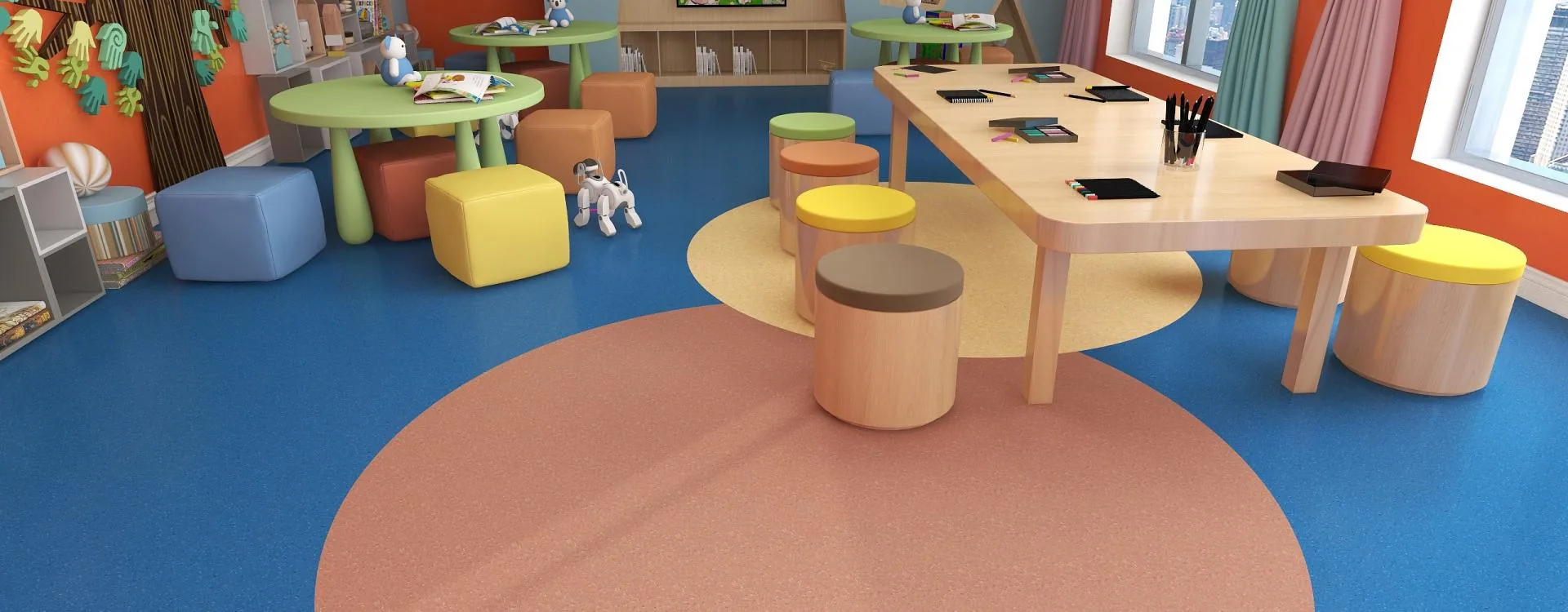
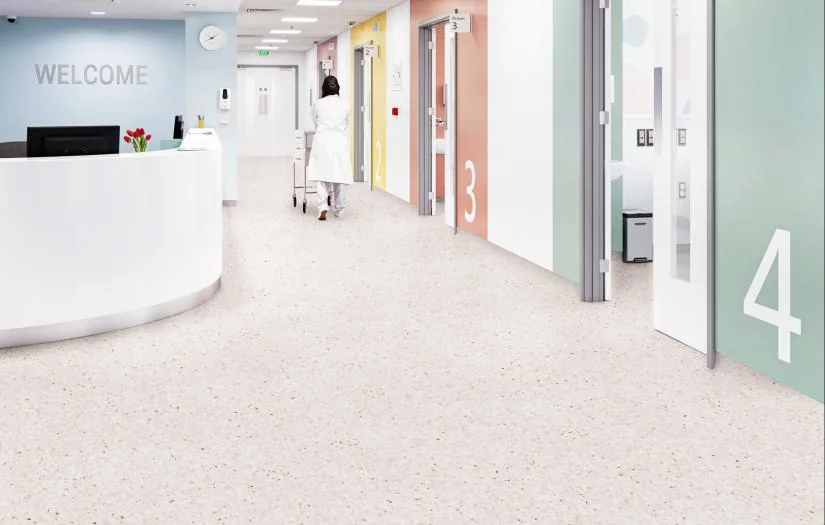
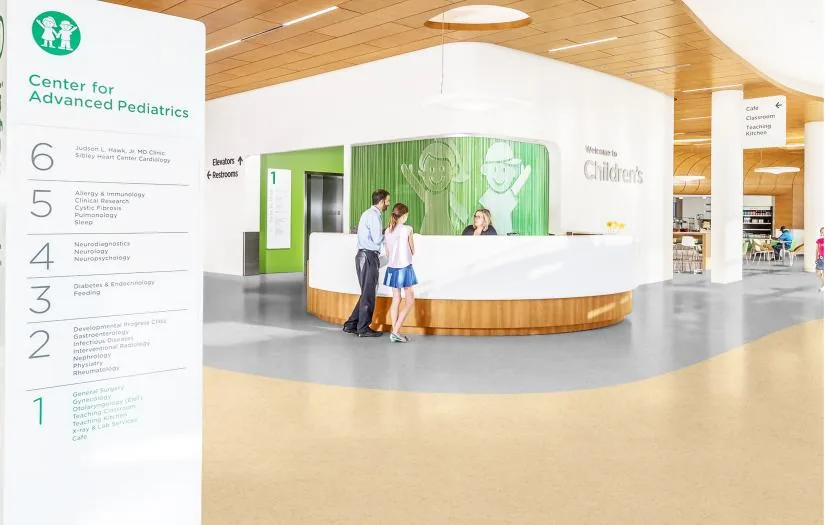
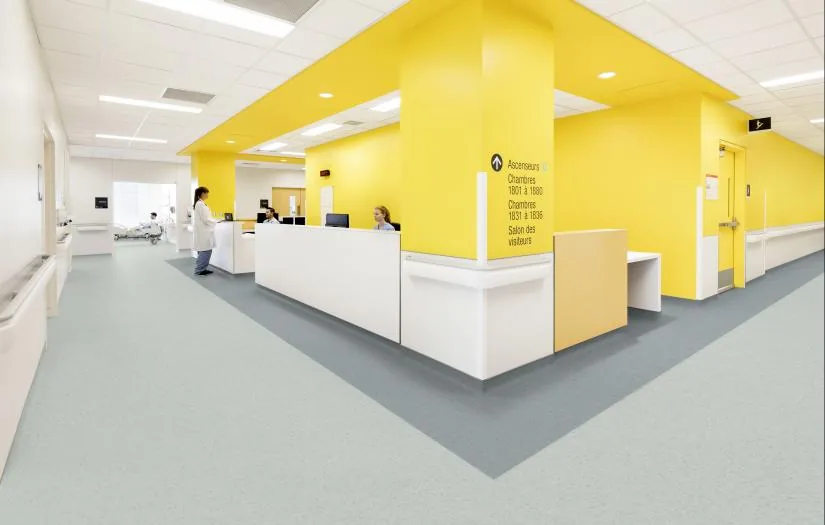
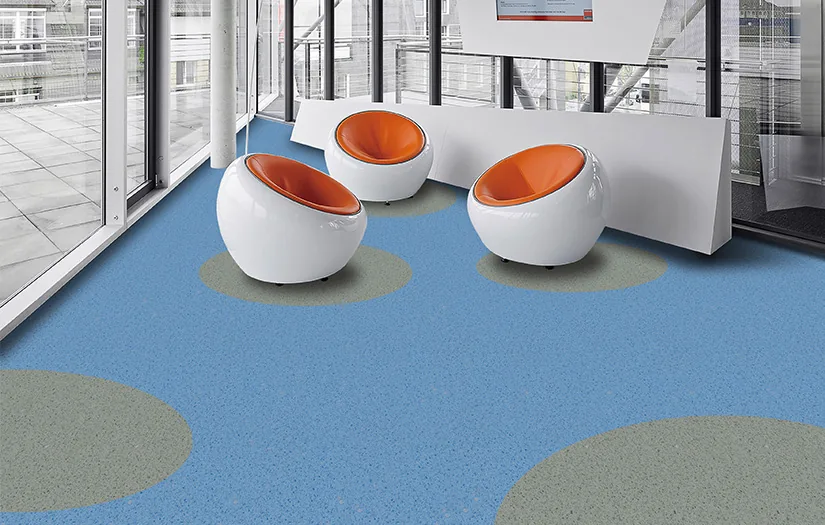
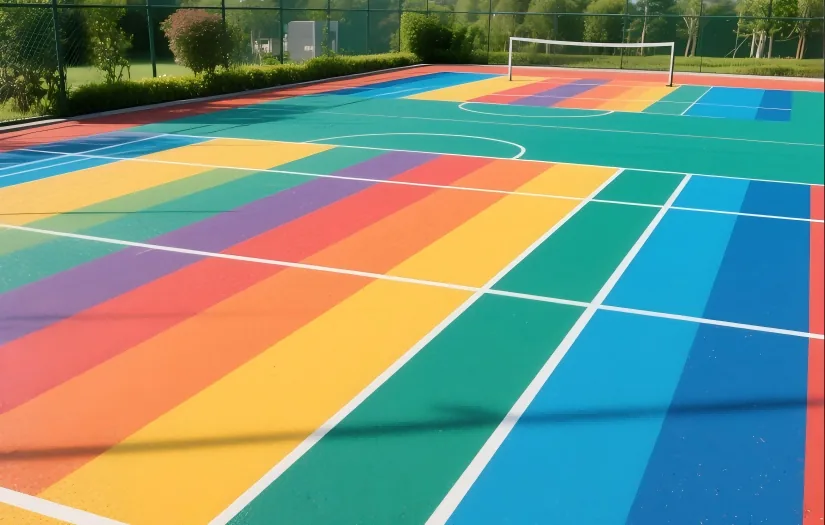
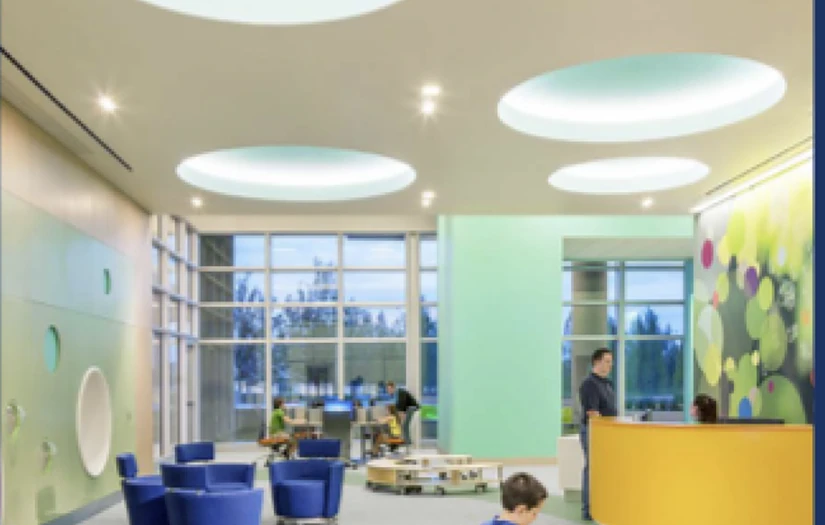
Design is part of the brief in education, because colour is how a child finds their way to the right classroom. Directional colour bands down corridors, a distinct tone for each year group, and a darker shade in entrance zones that hides wet footprints are cheap to do at installation and expensive to retrofit. The same floor should also survive ten years of summer-holiday cleaning programmes with no polish build-up, which is why we recommend a PUR surface and a written maintenance schedule handed over with the as-built drawings.
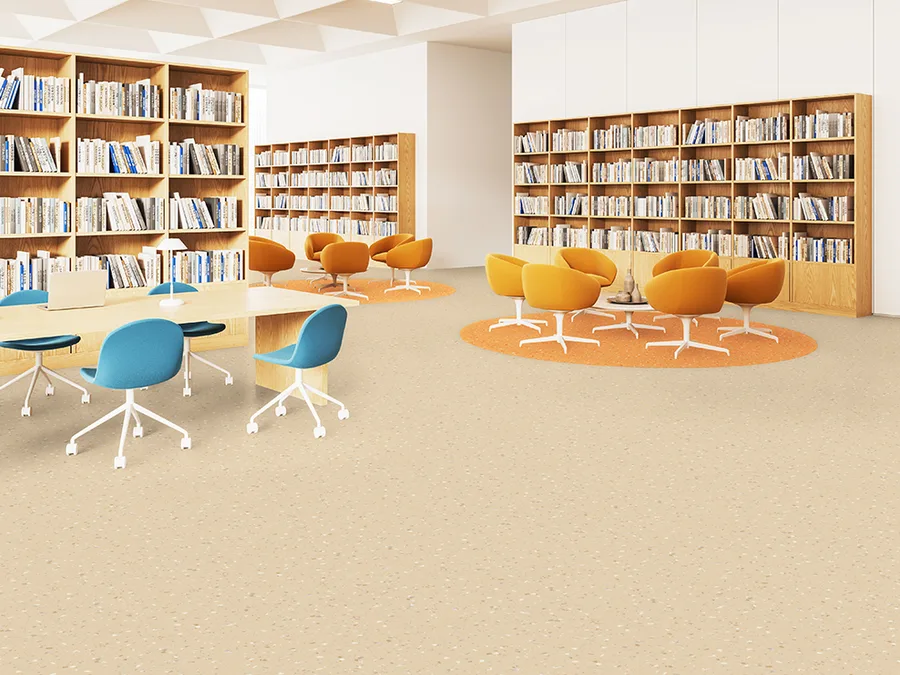
- Typical areas: classrooms, corridors, canteens, libraries, science and food technology rooms, music rooms
- Usual specification: 2.0 mm homogeneous, or 0.7 mm wear heterogeneous with foam backing, R10 slip
- Where to spend the money: corridors and entrances first, then canteens — classrooms are the least abused floor in the building
- Wayfinding: colour bands and year-group tones laid at installation, no extra material cost
- Maintenance: PUR surface, machine scrub without polish, holiday deep-clean schedule
Project references
Scenes in use
Focus sul prodotto