



Solutions
Floor Applications
The same roll can be the right answer in a corridor and the wrong one in a kitchen. This page sets out what each type of space actually demands from a floor — traffic, moisture, hygiene, acoustics, static and slip — and which construction we would put there.
Start from the space, not the sample
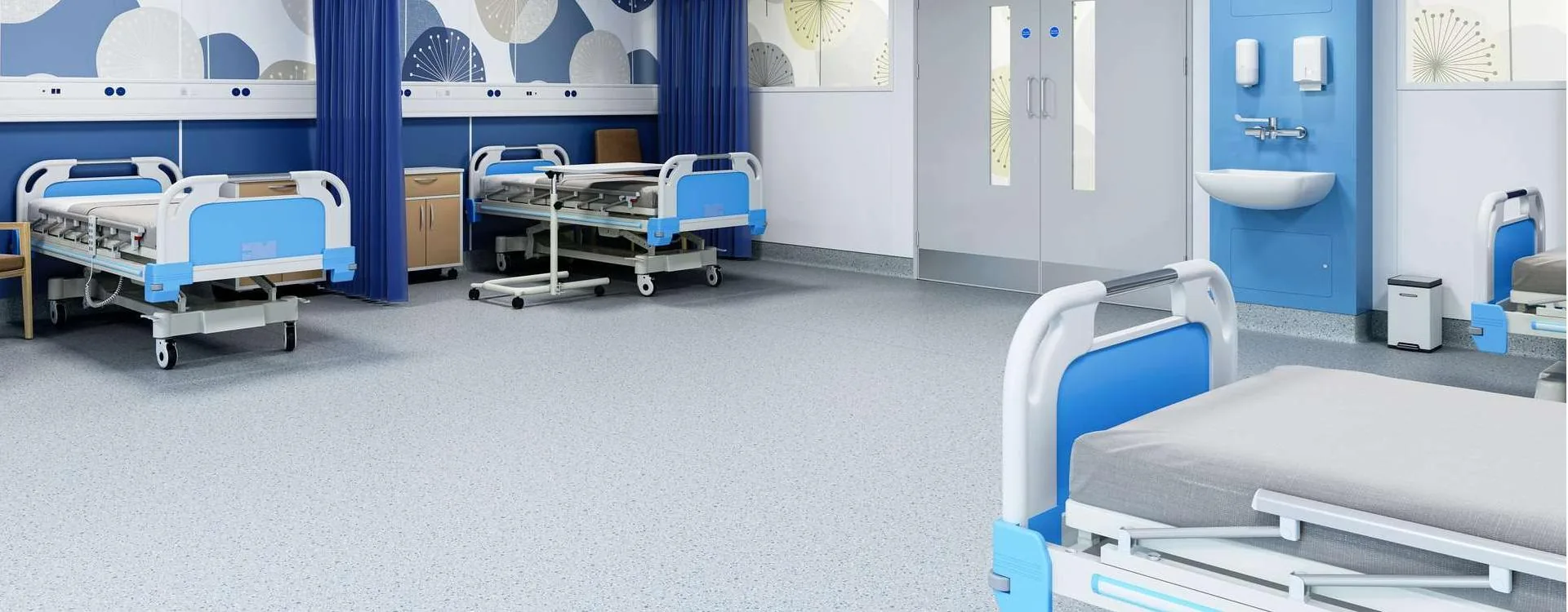
A specification is usually a short list of numbers: wear layer, fire class, slip rating, thickness. Those numbers matter, but they do not describe how a floor is used. A hospital corridor takes trolley wheels and disinfectant; a school dining hall takes chair legs and spilled juice; a data centre takes point loads from cabinets and the risk of static. The construction has to be chosen for the day-to-day, not for the datasheet.
Three questions do most of the work. Is the area wet, or cleaned wet? Is there wheeled or point load? Does the floor have to be seamless, hygienic or static-controlled? Once those are answered, thickness, wear layer and seam method usually follow.
Where the floor works
Application Areas
Nine sectors plus the specification desk behind them — pick an area to jump to its section.
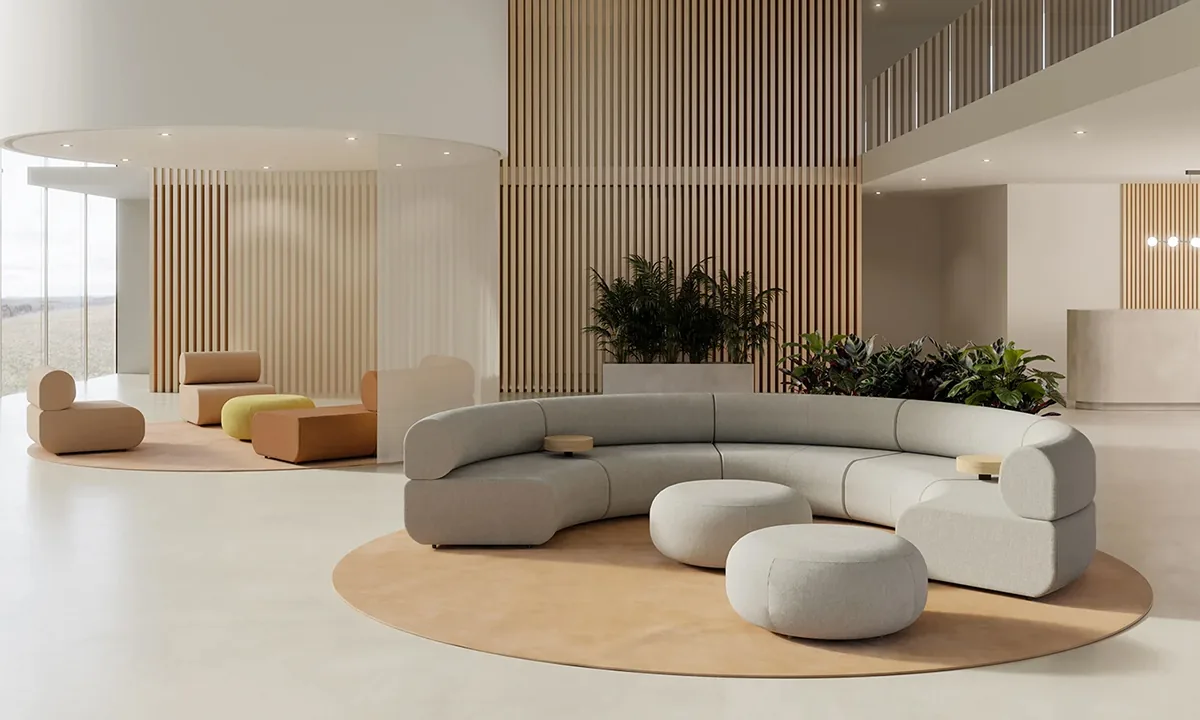
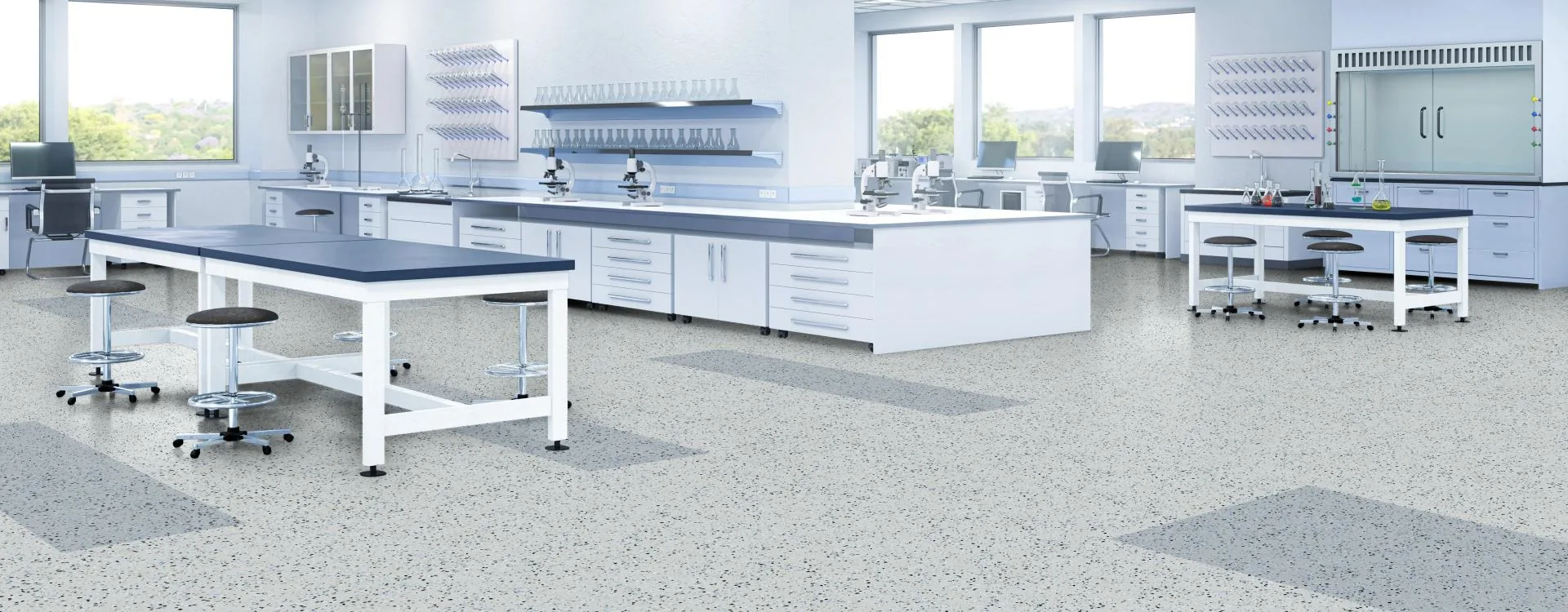
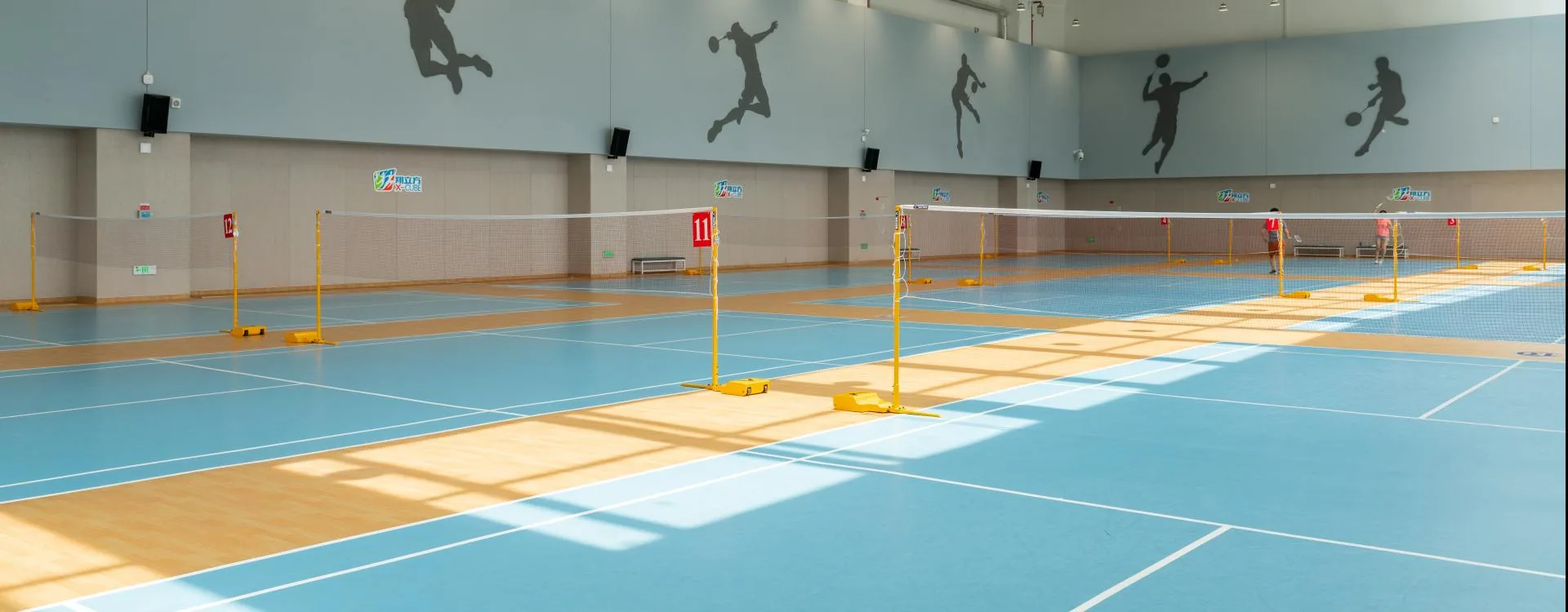

Девять отраслей — одна техническая команда.
Планируете проект или локальный ассортимент?
Укажите назначение, нагрузку и рынок сбыта — мы поможем выбрать продукцию и определить следующие шаги.