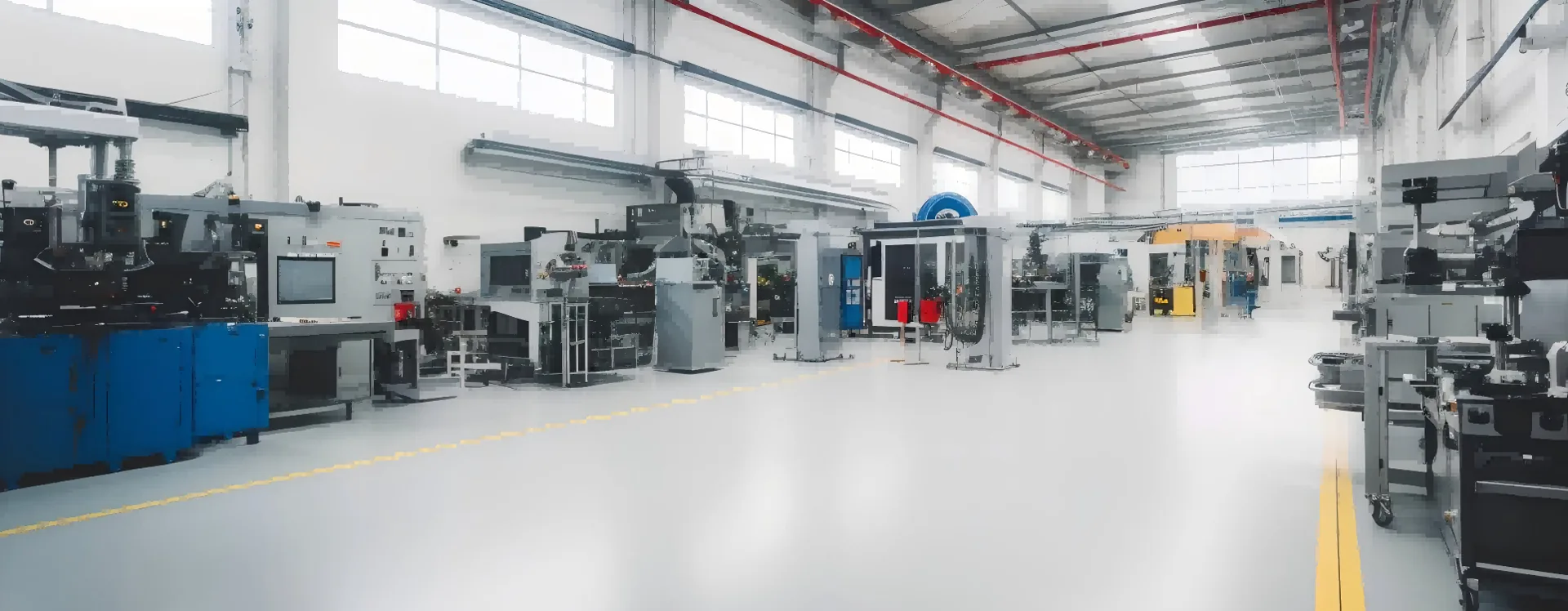
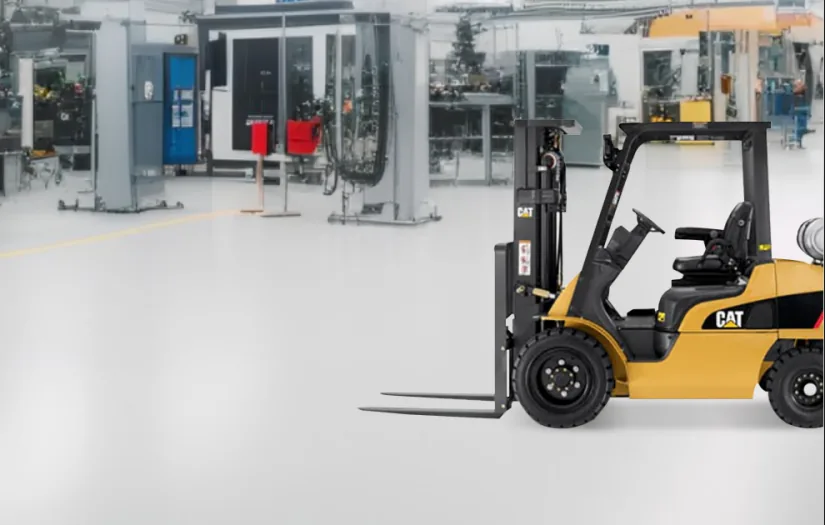
Industrial floors are specified by the process, not by the room. What matters is what sits on the floor and what falls on it: racking legs and pallet trucks create point loads that will dent a thin vinyl; oils, solvents and acids attack the surface; forklifts and steel-toed boots abrade it; and in electronics or powder handling, a static discharge can destroy the product rather than the floor. Each of those failure modes has a different answer, and using one product for all of them is how industrial floors end up being replaced in two years.
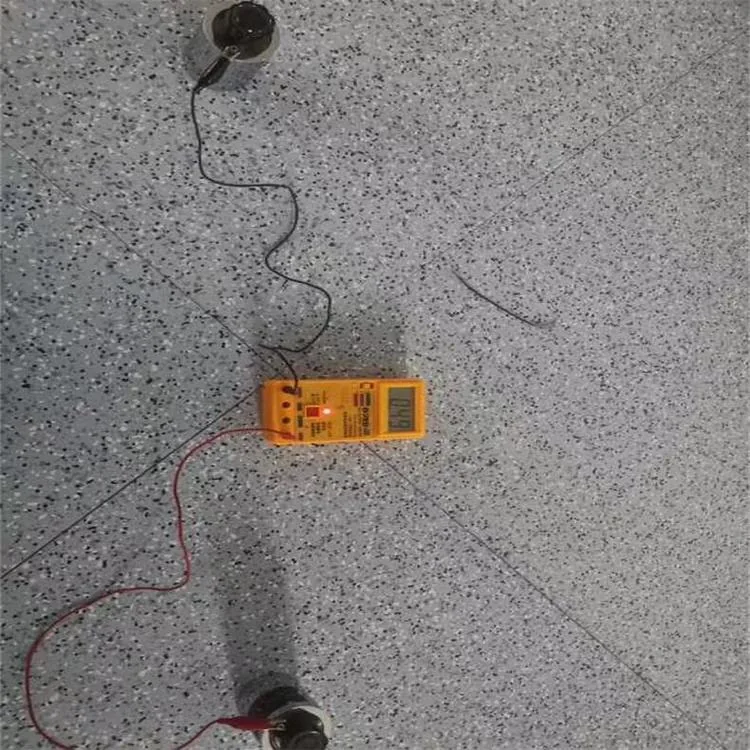
ESD flooring is the most commonly mis-specified. A static-dissipative floor needs three things to work: a conductive or dissipative surface layer, a continuous earth path built from copper tape or conductive adhesive under the sheet, and a measurement taken after installation and recorded. Without the earth path the floor is decorative; without the readings nobody can prove it works. Resistance targets depend on the standard being applied — IEC 61340 and ANSI/ESD S20.20 are the usual references — so the target should be written into the specification before the material is ordered.
Clean rooms add the requirement that the floor itself must not be a source of particles. That means welded seams with no open edge, a fully welded cove at every wall and column, no skirting profile with a hidden cavity, and a surface that withstands the disinfectants used in the grade of clean room involved. Laboratories add chemical resistance tables — a floor that survives 30 % sulphuric acid is a different product from one that survives coffee — and we ask for the actual chemicals and contact times rather than a general “chemical resistant” claim.
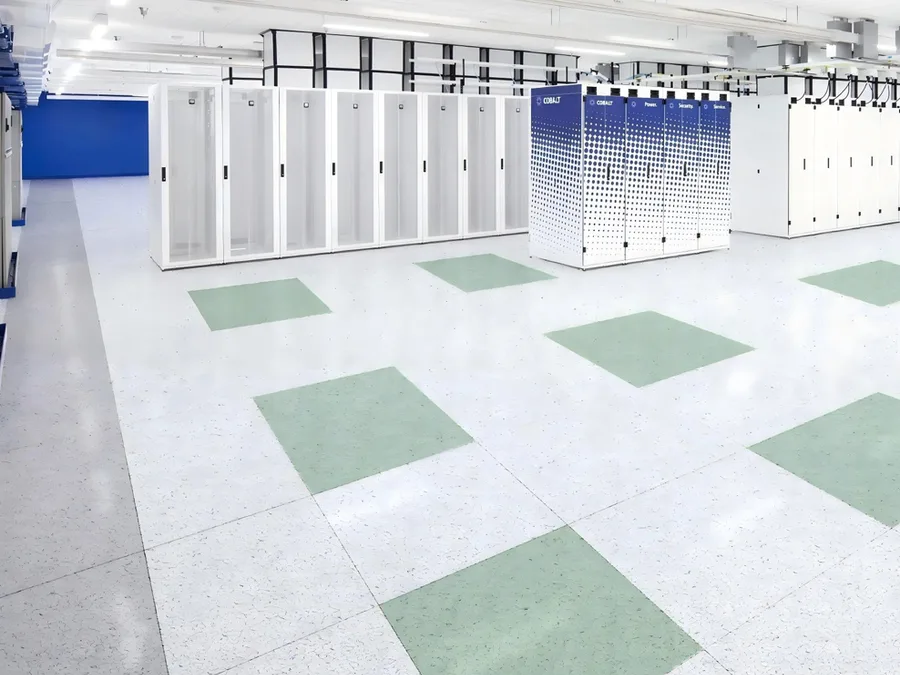
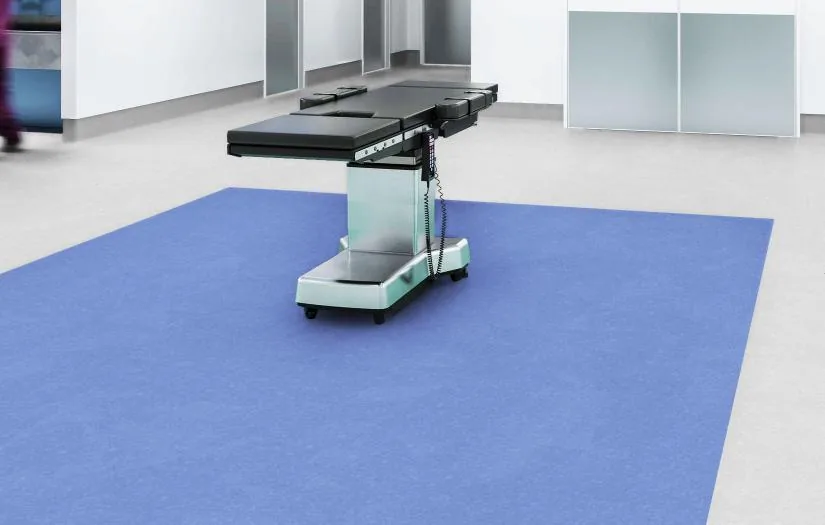
- Typical areas: assembly halls, clean rooms, laboratories, server rooms, warehouses, maintenance workshops
- Usual specification: 2.0–3.0 mm homogeneous, or ESD homogeneous, fully welded with welded cove
- ESD build-up: conductive primer or copper tape grid, dissipative sheet, earth point bonded and measured
- Documentation: surface and system resistance readings per room, with instrument and date recorded
- Where vinyl stops: for hot metal, sharp steel wheels and heavy forklift traffic, a resin or hard surface is the right answer — we will say so
產品聚焦